Year: 2022

The Future Library handover ceremony

The Future Library silent room is now open!

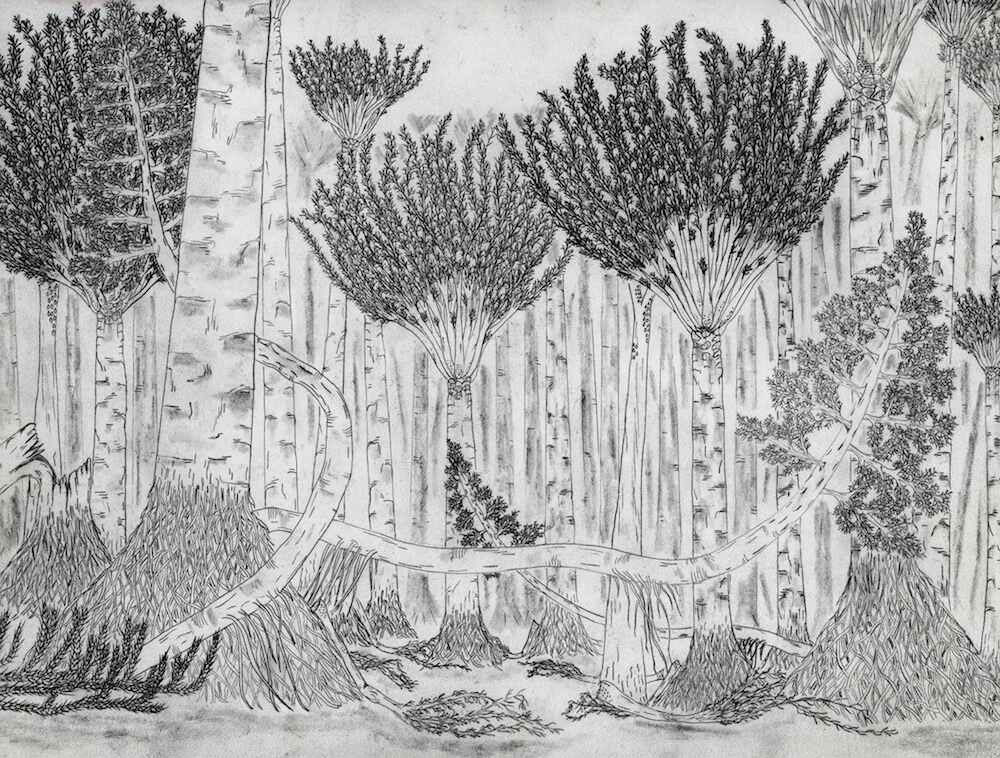
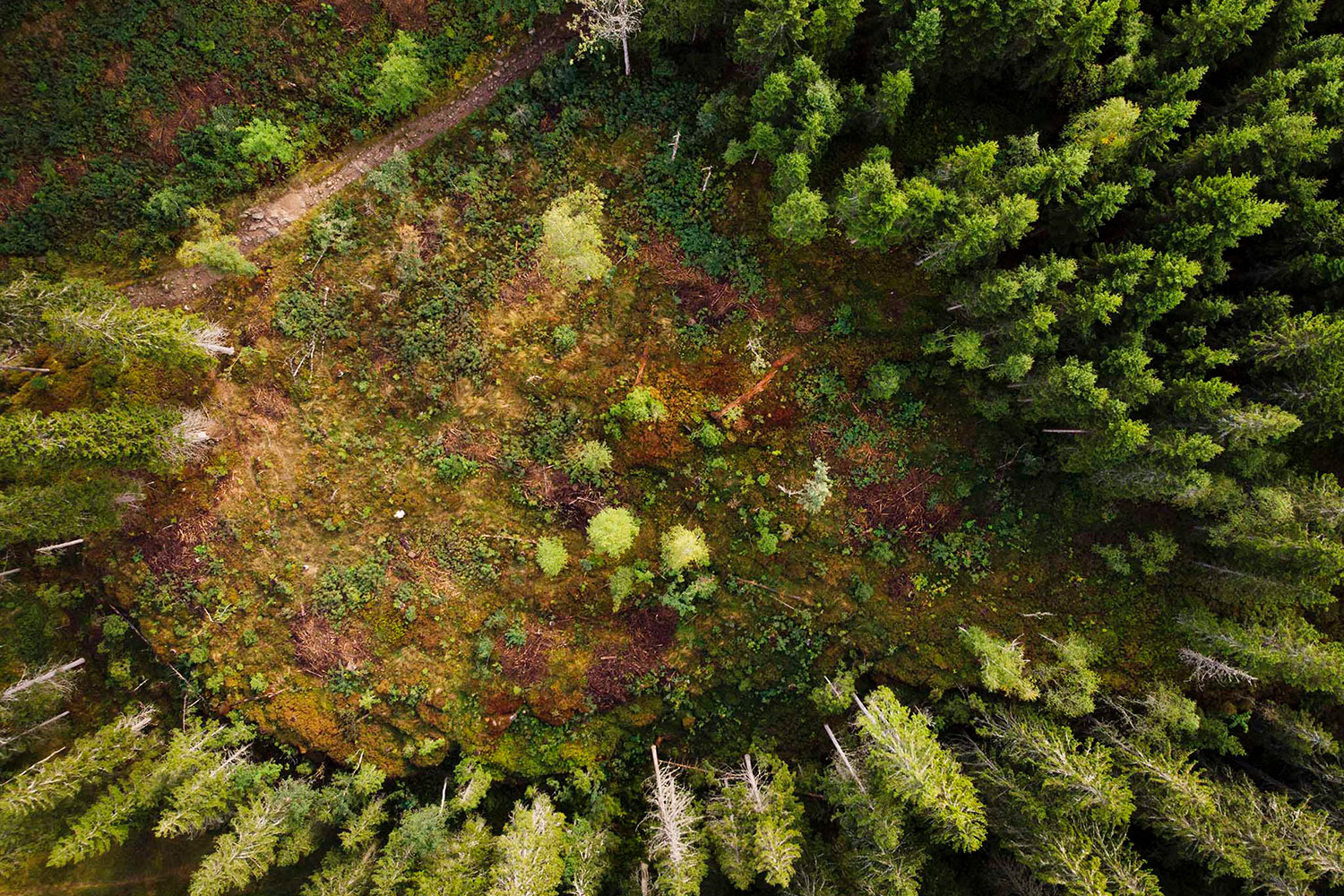
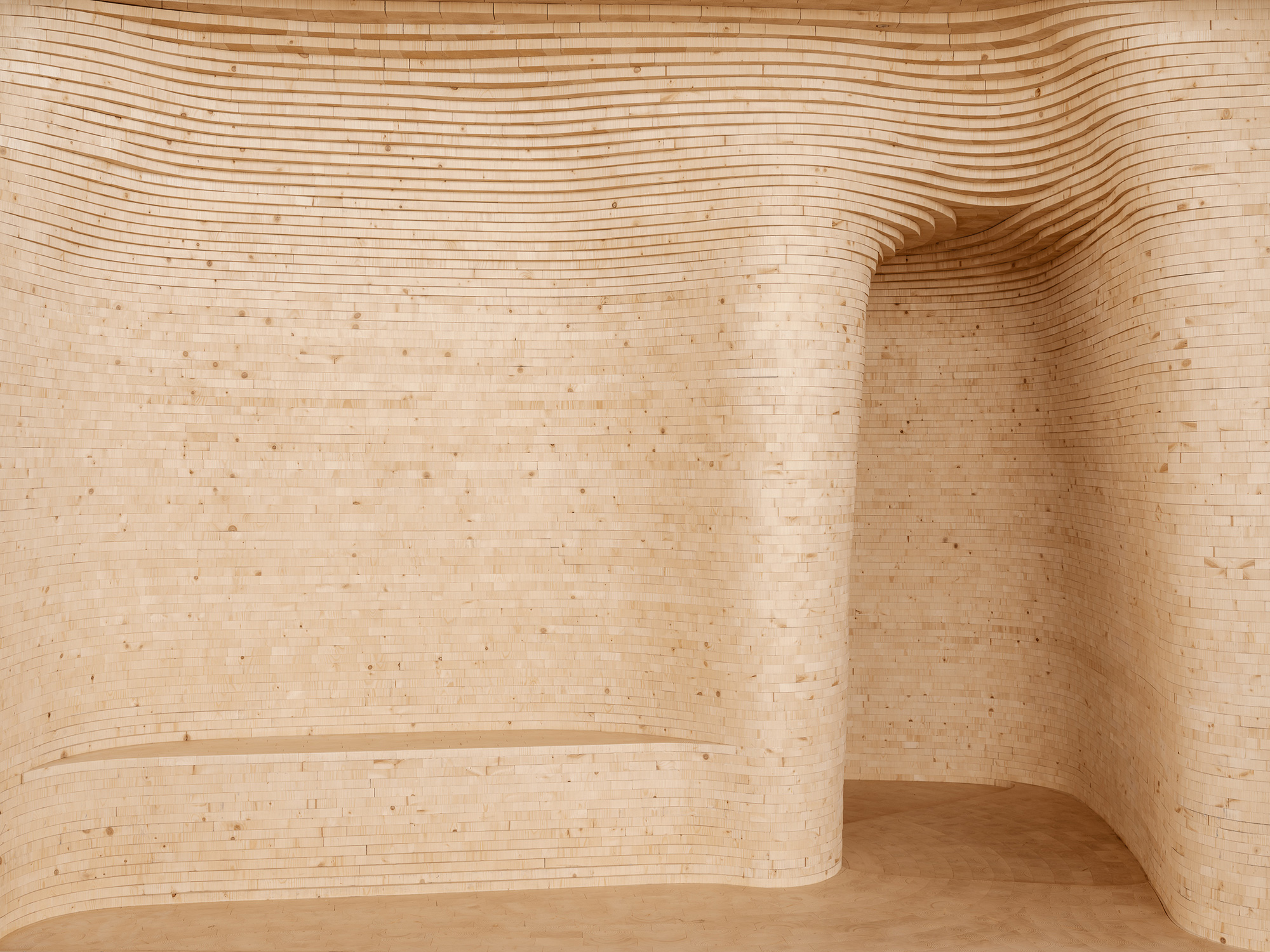
Last year’s handover ceremony was a very special event, a milestone for a visionary project: not only the annual handover took place, but this year three acclaimed authors were part of the ceremony, which included the opening of the manuscripts’ resting place, the silent room in the new public library Deichman Bjørvika. The silent room will be home to all of the manuscripts contributed to the project until their eventual publication in the year 2114. The room is designed by artist Katie Paterson and architects Atelier Oslo and Lund Hagem.

www.futurelibrary.no

Sustainability Workshop Norman Foster Foundation

Sustainability Workshop, Norman Foster Foundation | October 10–14, 2022

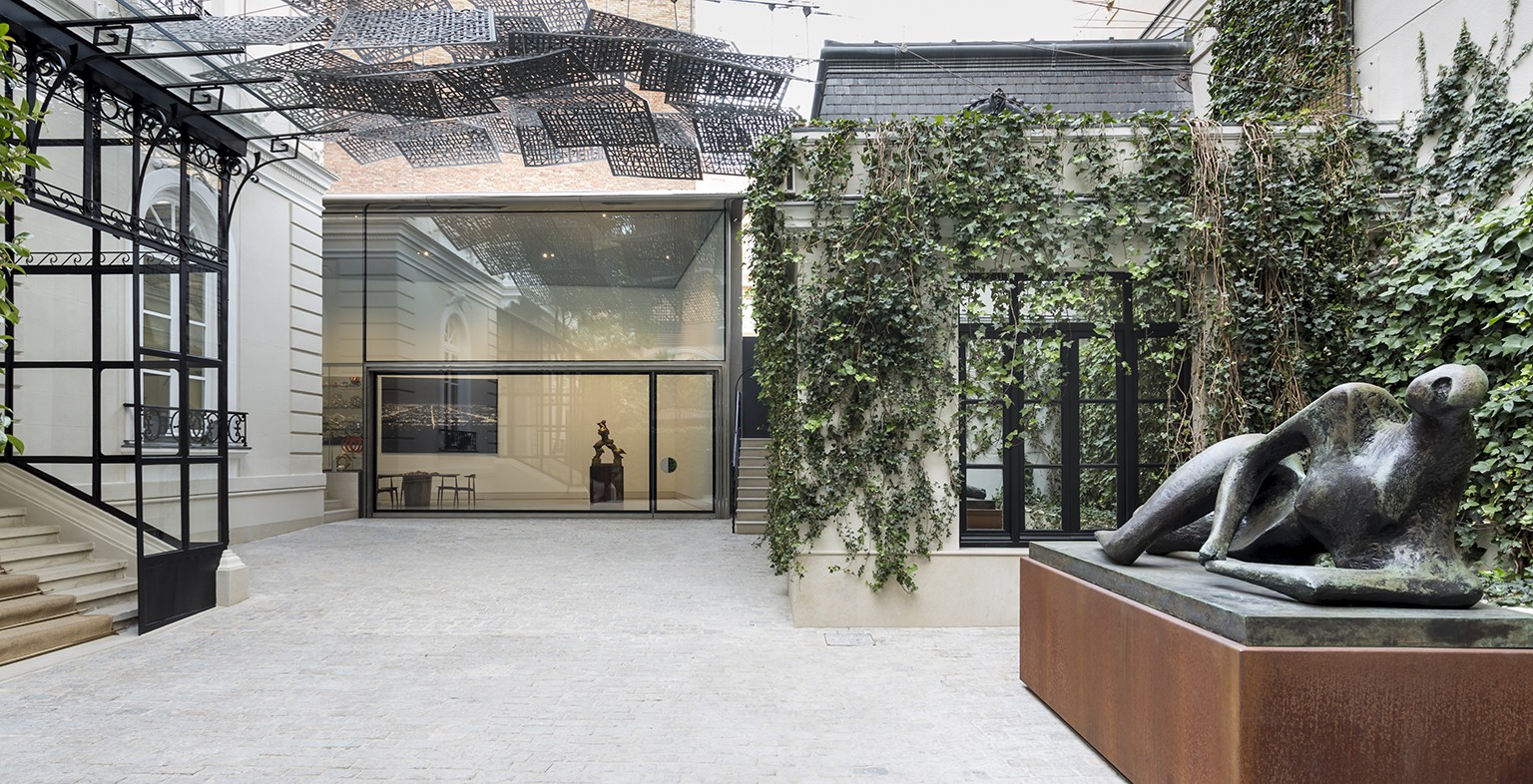
While there is an imperative to ensure human survival in the face of climate change, learning from nature’s intricate systems is crucial to ensuring a good quality life for all living things. What if the boundary between humans and ecosystems didn’t exist? What if we could transform our waste into nutrients for other organisms? The Norman Foster Foundation presents a new session of its Sustainability Workshop. The Academic Body brings together a wide range of practitioners from different fields related to biointegrated and ecologic design. The Academic Body includes: Stefano Boeri, Founder and Director of Stefano Boeri Archiecti; Cristina Iglesias, Spanish Artist and Sculptor; Mitchell Joachim, Co-founder of Terreform ONE and Associate Professor of Practice at New York University; Mohsen Mostafavi, Alexander and Victoria Wiley Professor of Design and Distinguished Service Professor at Harvard University; Brenda Parker, Associate Professor of Sustainable Bioprocess Design at the Department of Biochemical Engineering of University College London; Claudia Pasquero, Co-founder of ecoLogicStudio in London, Landscape Architecture Professor at Innsbruck University and Associated Professor at the Bartlett School of Architecture; Katie Paterson, Scottish Artist; Marco Poletto, Co-founder of ecoLogicStudio in London; and architect, theorist and urban planner, Moshe Safdie.
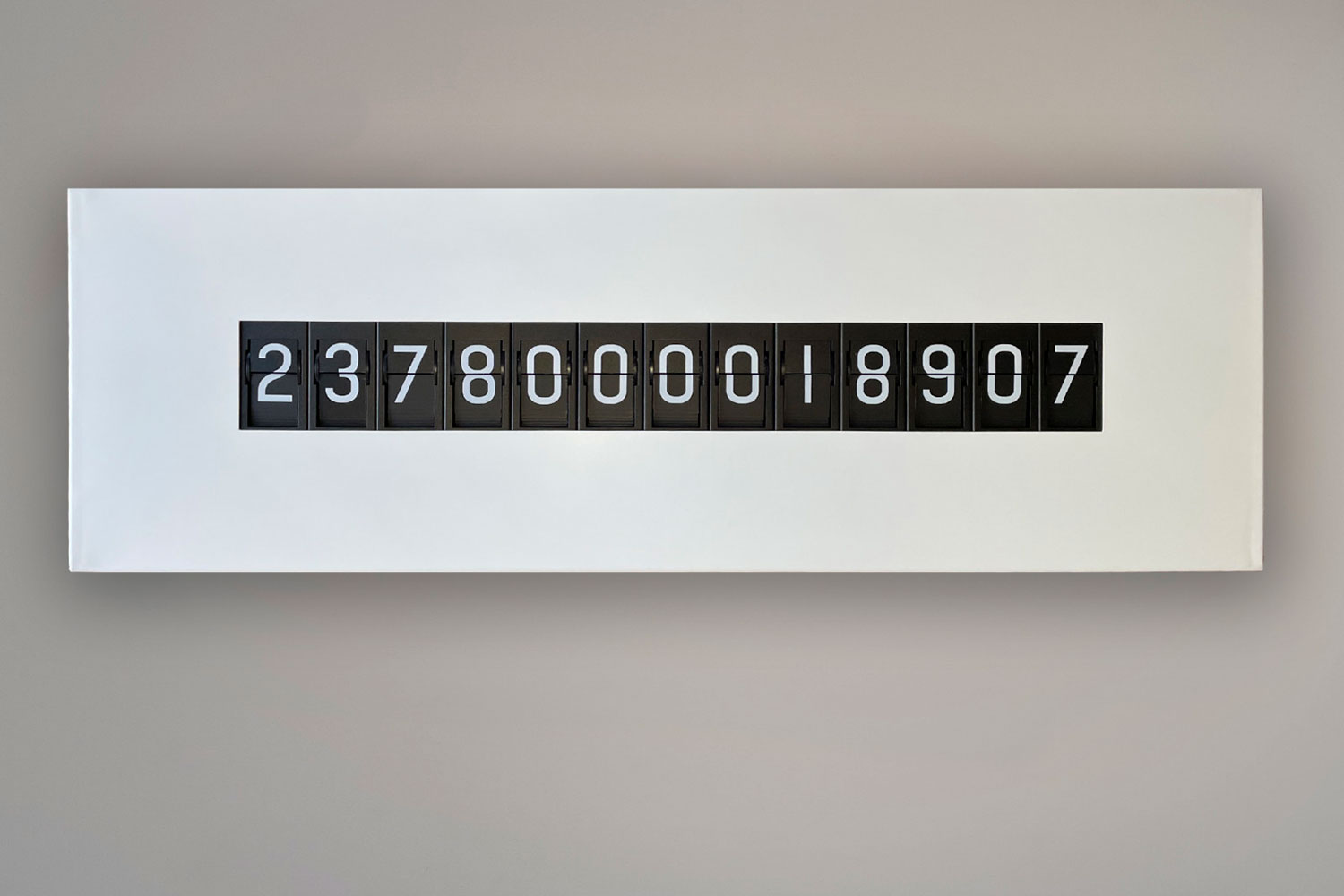
Time’s Relentless Melt, Princeton University Art Museum

Time’s Relentless Melt, Princeton University Art Museum, 2022

Katie Paterson exhibited work at Princeton University Art Museum’s group exhibition entitled Time’s Relentless Melt. This exhibition presents photographic time-based works that center around the complex nature of time, and the tension between transience and permanence, recording and remembering. Paterson’s work will exhibit alongside artists including Andy Goldsworthy and Dawoud Bey.

Requiem

Requiem, Katie Paterson at Ingleby Gallery, Edinburgh, UK, 9th April – 11th June, 2022.

An exhibition by Katie Paterson at Ingleby Gallery brought together dust gathered from material dating from pre-solar times to those of the present.

TED

Katie Paterson on TED: Why connecting to deep time matters to us all

Short-sightedness may be the greatest threat to humanity, says conceptual artist Katie Paterson, whose work engages with deep time – an idea that describes the history of the Earth over a time span of millions of years. In this lively talk, she takes us through her art – a telephone line connected to a melting glacier, maps of dying stars – and presents her latest project: the Future Library, a forested room holding unread manuscripts from famous authors, not to be published or read until the year 2114.

Vertigo, Julian Charrière and Katie Paterson

Vertigo, Julian Charrière and Katie Paterson
Galleri Tschudi, Zuoz, Switzerland, 18 December 2021–26 March 2022

“To have the work of Katie Paterson and Julian Charrière in the same space is a festival for the senses and imagination. Their work expands our minds and brings our thoughts into the most extreme dimensions. They work on the scale of geology, eternity, using elements from ancient fossils to radioactive measurements to astronomical observations.” Andri Snær Magnason

www.galerie-tschudi.ch

Kinfolk

Katie Paterson in Kinfolk, Issue 40

Katie Paterson’s garage contains moon dust. It’s stored alongside offcuts from a mammoth’s thighbone and a collection of wood samples from 10, 000 different trees, each acquired in the name of art. In her work, Paterson poses searching existential questions in the form of poetic acts, whether that be setting up a live phone line to a melting glacier, sending a meteorite back into space or bouncing a recording of Beethoven’s Moonlight Sonata off the surface of the moon…

Bourriaud essay

Julian Charrière And Katie Paterson: Meteors And Metabolisms, by Nicolas Bourriaud
“Katie Paterson and Julian Charrière are currently exhibiting in parallel. In both of their oeuvres, human existence itself is not shown, but is instead resituated in its cosmic or geological position, represented in the general context of the biomass. And both, in their respective works, implement temporalities of great amplitude. Their works could thus belong to a neo-metaphysical movement in contemporary art, which will undoubtedly remain associated with the beginning of the twenty-first century in future accounts of the history of art. Because the essential question for the artists of our time is the meaning of their work in a world in danger.”

Ideas

Ideas, Katie Paterson, Edinburgh University Kings Building Campus

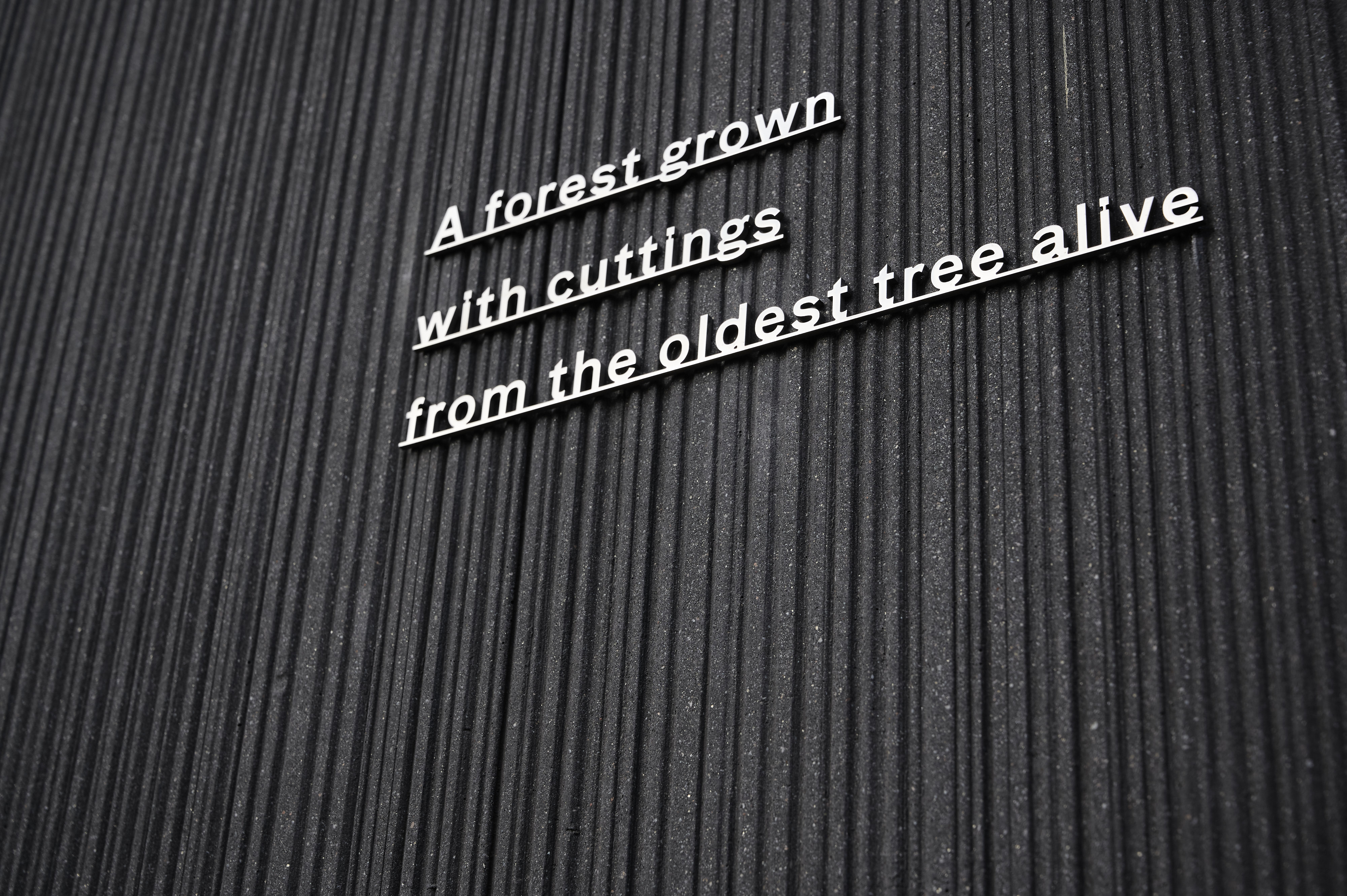
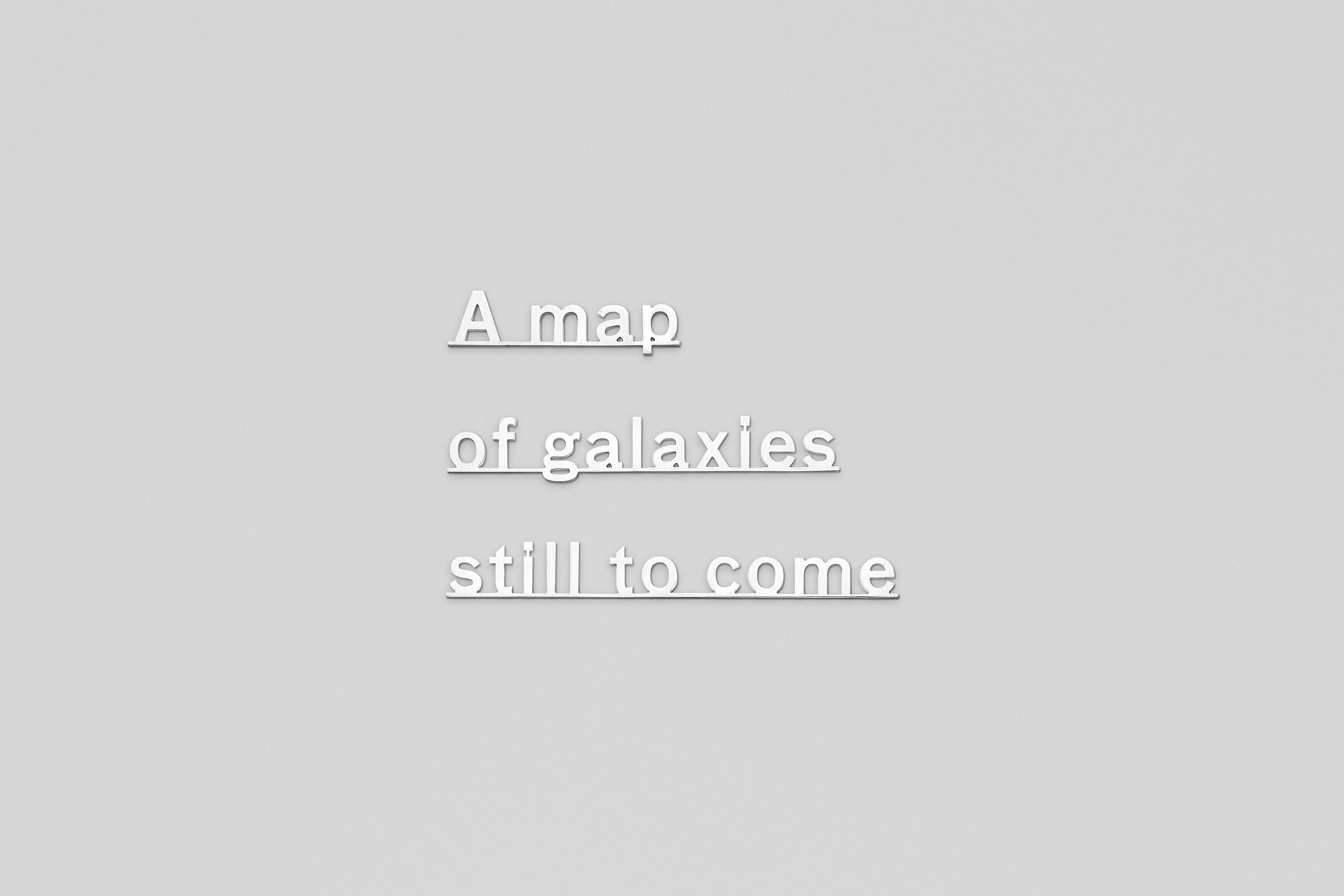
What time is it on Venus? What will be read by unborn people? Is it possible to plant a forest using saplings from the oldest tree on earth? Can we make ink to be read only under moonlight? Katie Paterson’s Ideas pose questions about deep time, and the limit of what is real and what is imagined. In the largest site responsive presentation of the work to date, one hundred existing and newly created Ideas have been brought together and installed across selected locations at the University of Edinburgh’s King’s Buildings campus. The Ideas are located across an array of buildings (both outside and in), as well as in gardens, grounds and hidden and unexpected places, at varying levels, high and low. Each short text concerns the landscape, the universe, or an expanded sense of earthly and geological time. Ideas is a permanent commissioned by the University of Edinburgh’s College of Science and Engineering, and is open to visit daily.

The Art (and Pop Culture) of Getting Long Time

The Art (and Pop Culture) of Getting Long Time

As we move towards 2022 so many of us are burnt out and overwhelmed: by the pandemic; by the uncertainty of the future; and by huge challenges like climate change, systemic racism, and inequality. The Long Time Academy is a new podcast that steps into this space with one clear message: changing the way we choose to engage with time can be life-changing, both when it comes to the problems we’re facing day to day, and to the huge threats we’re facing as a species. Brian Eno, Katie Paterson, Bridgit Antoinette Evans, Anab Jain, Jeremy Lent and Sherri Mitchell are part of a 40 strong faculty who have come together to teach one of the most important classes of 2021. Hosted by co-founder of The Long Time Project, Ella Saltmarshe, The Long Time Academy hopes to give listeners a sense of spaciousness, awe and passion to become good ancestors.

www.thelongtimeacademy.com

Endling

Endling, a new artwork by Katie Paterson is on show at Galleri Tschudi til March 2022.

David Haskell essay

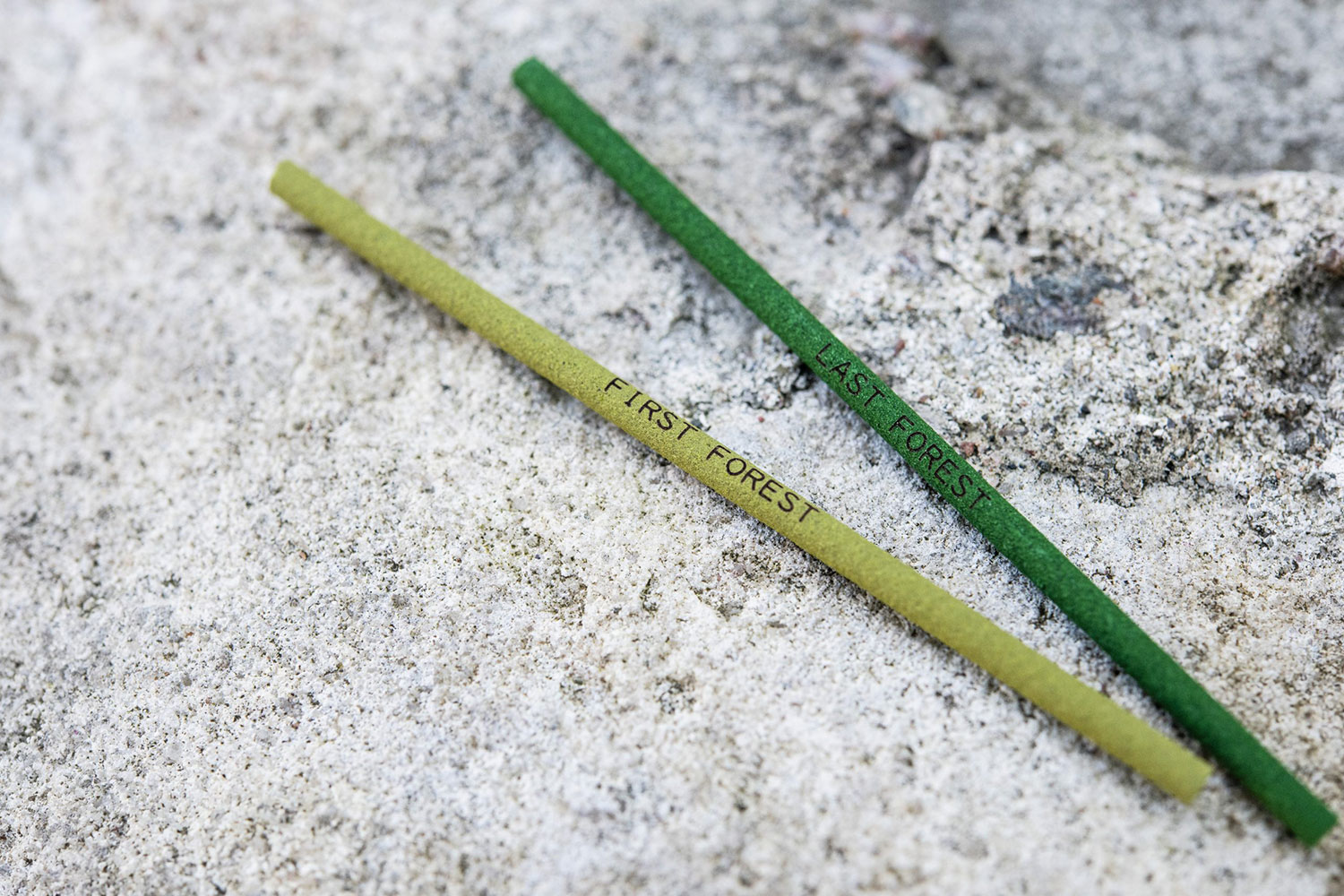
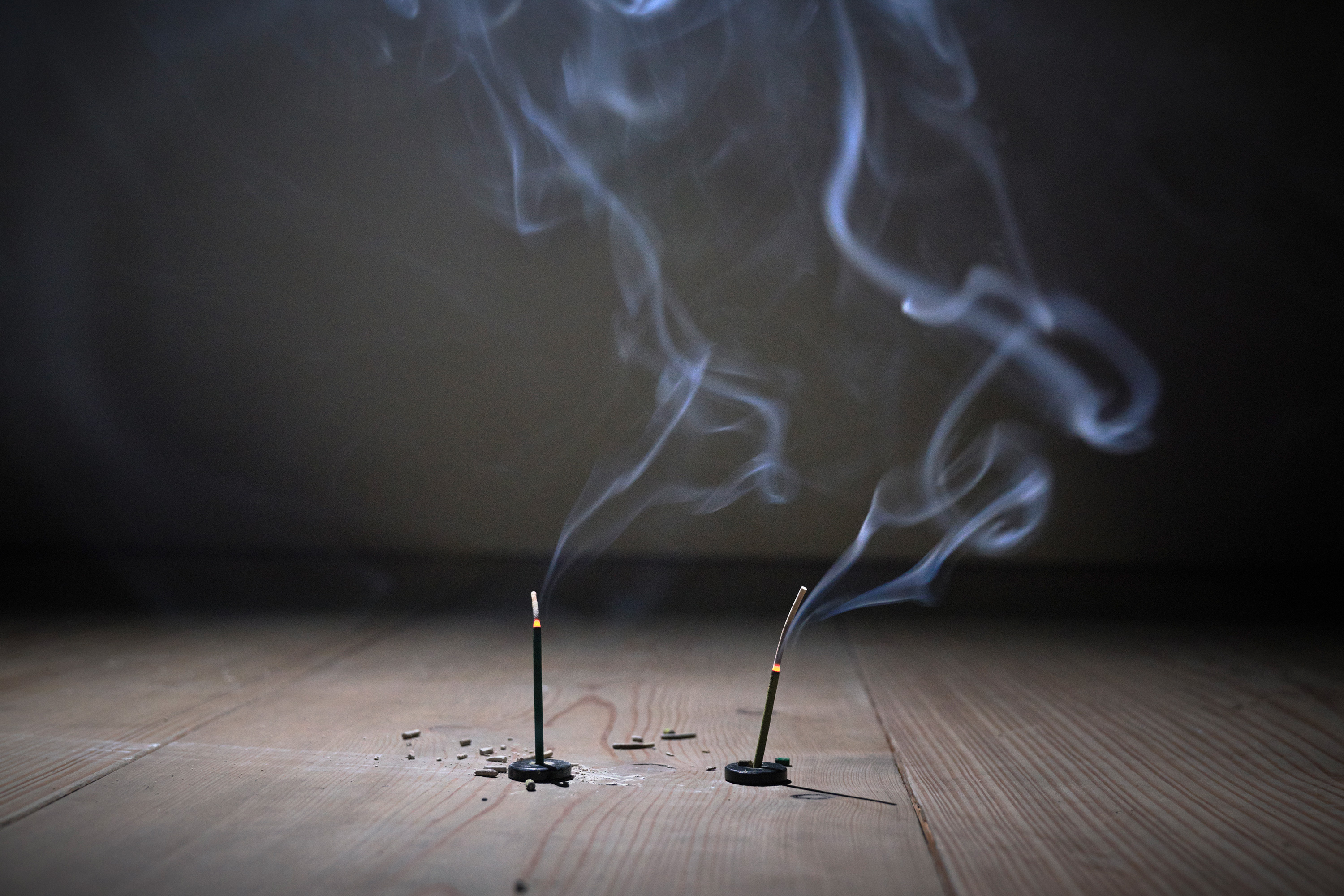
On the aromas of the first and last forests, by David Haskell

“Humans have used incense for thousands of years, mostly as a bridge to what dwells beyond the everyday, through prayer, oblation, and ritual. To Burn, Forest, Fire places that experience into the context of deep time and the living Earth community.”

Wall paper Nancy Holt

Contemporary artists pay homage to land art legend Nancy Holt, Wallpaper Magazine, 2022

At the 12th-century Lismore Castle, Ireland, a group show ‘Light and Language’ explores the enduring legacy of American conceptual and land art pioneer Nancy Holt. Scottish artist Katie Paterson has created a new work responding to the architecture of Lismore Castle. Her ‘Ideas’ wall pieces are subtle: short texts that ‘when read come alive through the visitor’s imaginations’. Discrete in scale, they are cut from silver and reflect brightly when the light hits them. The artist reflects on her affinity with Holt’s artistic sensibilities: ‘her work showed me how expansive art can be; through its material form (she worked across mediums) it’s scale, its conceptual language and emotional and perceptual impact. Nancy Holt worked with the cyclical time of the universe, the motions of the earth and the sun. She aimed to ‘connect people with the planet earth’, to bring ‘the sky down to earth’ which chimes very much with my approach.’